Blog
Developing health care leaders

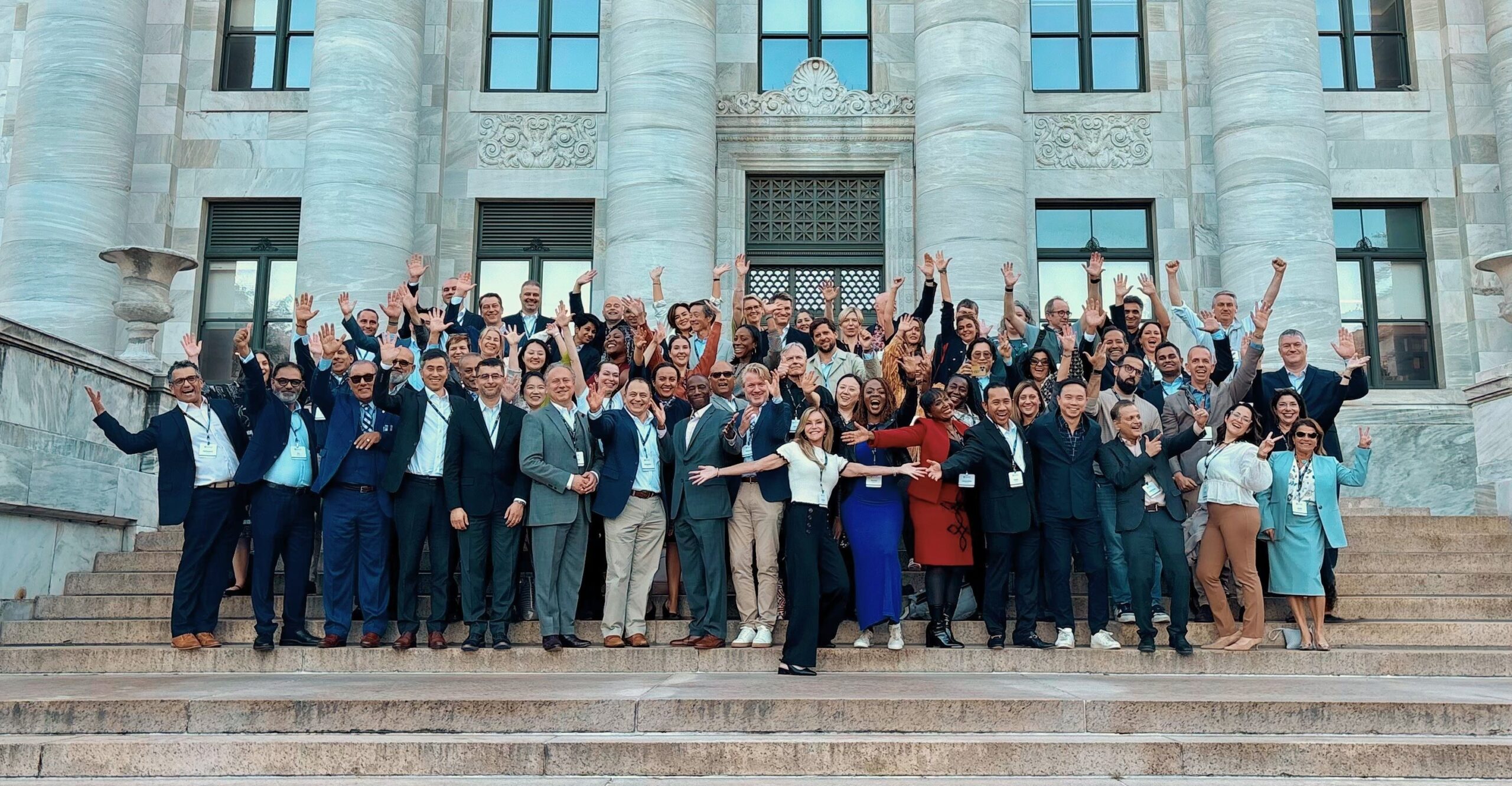
The Harvard Medical School Executive Education offers the Global Health Care Leaders Program. The program is designed to discuss current global issues and trends in health care, such as value-based care and consumerism, and sharpen student leadership skills in areas such as change management and innovation.
The mid-career students are in the program for eight months and are in Boston for a week three times during the program. I direct the week devoted to examining digital transformation in health care.
During that week we discuss several topics including why do most digital transformation efforts deliver disappointing results? and where is the adoption of artificial intelligence in health care? As you can imagine, the students are very engaged in examining these questions.
The point of this post is not the program, but the students enrolled in the program.
This year we have 75 students. They come from across the globe, the US, India, China, Italy, the UK, Canada, Belgium, Germany, Poland, Saudi Arabia, Singapore, Pakistan, the UAE, Finland and Greece. They come from many different sectors in health care, large health systems, physician practices, government, venture capital, health plans, pharma, med tech, digital tech, academia and consumer products.
To get into the program, the student must apply and demonstrate significant leadership prowess and a track record of major accomplishments. The result is a class of exceptionally talented, committed and skilled professionals.
As part of the program, they must develop a plan and begin to execute a capstone project. Example projects show the range of their interests and include:
- Neighborhood Health Hub – Extending elders’ healthspan through connected AI
- Implementing Integrated Neighborhood Teams in the UK NHS
- Accelerating pharmaceutical development through AI-driven adaptive clinical trials
- Diaspora Health Connect: Increasing visibility, coordination, and impact of diaspora-led health missions
- Integrating sleep and cardiac care pathways for value-based outcomes
- Reducing teenage suicides in India
- Promoting early intervention for the treatment of mental illness in young adult Black Americans
- Provision of equitable access to vaccines and therapeutic countermeasures in low- and middle-income countries
- Advancing climate resilience for maternal health
As you know, health care has many challenges of high cost, uneven quality, limited accessibility and poor safety. These challenges exist in all countries. There are, however, many examples of exceptional care that range from significant reductions in mortality from cancer and heart disease, breathtaking innovations in technology and therapies and countless acts of kindness and caring by health care professionals.
I am in the twilight of my healthcare career.
While my colleagues and I helped make progress in addressing the challenges, there is still much to be done.
As I look across the classroom today and watch the students in breakout groups energetically discussing the potential impact of artificial intelligence, I feel extraordinary satisfaction and optimism. These leaders will continue our collective efforts to make health care what we all want it to be. As the thoughtfulness of their discussions and the focus of their projects demonstrate, they will make major strides in addressing health care challenges while doubling down on the parts of health care that are exemplary.
The future of health care is in exceptional hands.
Hello John,
Thank you for your comprehensive
summary and reflection on the GHLP program and the encouraging and praising words about our cohort. I feel grateful that I could be part of the program and the privilege to learn from inspiring leaders like yourself.
The real journey on our Capstones just begins and I am convinced that your guidance and leadership lessons will serve us extraordinarily well on road to success.
Greetings from Switzerland and best regards,
Andras Koncz
Thanks Andras. I very much enjoyed meeting you and spending time with the cohort. I am glad that you enjoyed the program. Stay in touch.
GHLP was the beginning of a wonderful journey. There is a quote by a famous Greek poet that I would like to dedicate to you:
“As you set out for Ithaka, hope your road is a long one, full of adventure, full of discovery.”
(Ithaka is the Homeric destination of Odysseus.)
Thank you for the motivation and inspiration!
Best wishes from Greece,
Vassilis Ramfidis
Medical Oncologist
GHLP Cohort V
Thank you for your note. I am very pleased that you enjoyed the program. It was a pleasure meeting you and having you in the class.
Stay in touch!
Thank you John for an incredible week! You managed to keep this group of go-getters on track and on time. Leaders tell stories, and you had some great ones! I’m sure this group will pay it forward.
Best,
Anthony